
Essential Tips for Staying Healthy
In our everyday lives, we are constantly exposed to various pathogens including viruses and bacteria. Common illnesses like colds, flu, and stomach bugs are not only inconvenient and uncomfortable, but they can also lead to significant disruptions in our daily routines. Fortunately, many of these illnesses can be prevented with proper hygiene and healthy lifestyle choices. This blog post explores practical steps you can take to protect yourself and your loved ones from common ailments.
Prioritize Good Hygiene Good hygiene is the first line of defense against common illnesses. Here are key practices everyone should adopt:
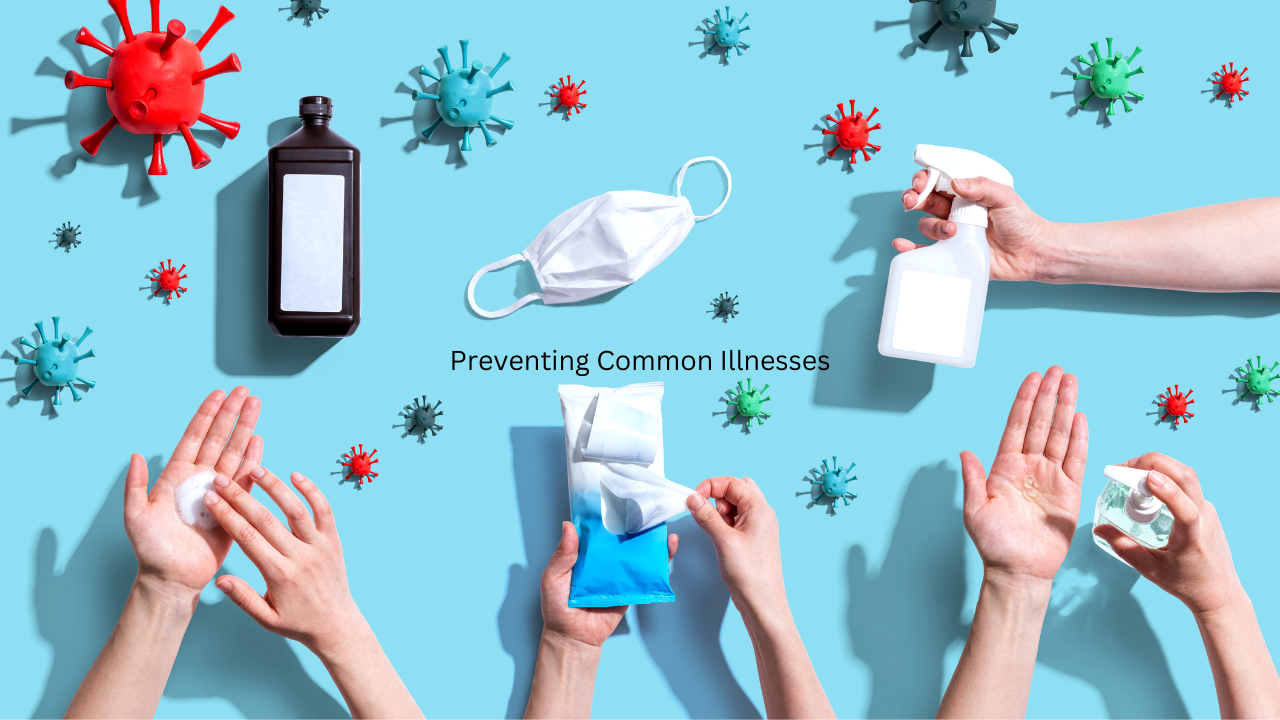
- Wash Your Hands Regularly: Frequent and thorough hand washing is one of the most effective ways to prevent the spread of germs. Use soap and water, and scrub your hands for at least 20 seconds. It’s especially important before eating, after using the restroom, and when you come home from public places.
- Avoid Touching Your Face: The eyes, nose, and mouth are primary entry points for viruses and bacteria. Try to reduce how often you touch your face, particularly with unwashed hands.
- Cough and Sneeze Etiquette: Always cover your mouth and nose with a tissue or your elbow when you cough or sneeze. Dispose of tissues immediately and wash your hands afterwards to avoid spreading germs.
Maintain Good Respiratory Hygiene
Viruses like those causing the flu and common cold are often spread through droplets when an infected person coughs or sneezes. Always cover your mouth and nose with a tissue or your elbow when you cough or sneeze, and dispose of the tissue safely. This practice not only protects those around you but also encourages good respiratory hygiene.
Keep Your Environment Clean
Regularly clean and disinfect surfaces that are frequently touched, such as door handles, mobile phones, and kitchen counters. Viruses and bacteria can live on surfaces for several hours, and keeping these areas clean minimizes the risk of contracting or spreading infection.
Strengthen Your Immune System A strong immune system can help fend off pathogens. Boost your immunity with these lifestyle habits:
- Eat a Balanced Diet: Consuming a variety of fruits, vegetables, whole grains, lean proteins, and healthy fats provides essential nutrients that support immune function. Foods rich in vitamin C, vitamin D, zinc, and antioxidants are particularly beneficial.
- Get Adequate Sleep: Lack of sleep can weaken the immune system. Adults should aim for 7-9 hours per night, while children need about 9-14 hours depending on their age.
- Stay Hydrated: Drinking plenty of water helps your body naturally eliminate toxins and other bacteria that may cause illness.
- Exercise Regularly: Regular physical activity can help boost your immune system by promoting good circulation, which allows cells and substances of the immune system to move freely and do their job efficiently.

Manage Stress Chronic stress can weaken your immune system and increase your susceptibility to illness. Manage stress through:
- Regular Exercise: Physical activity is a proven stress reliever. Whether it’s walking, cycling, or yoga, find an activity that you enjoy.
- Meditation and Deep Breathing: These practices help calm your mind and reduce stress.
- Adequate Sleep and Relaxation: Ensure you get enough rest and engage in activities that you find relaxing.
Drinking plenty of fluids, especially water, helps your body naturally eliminate toxins and other bacteria that may cause illness. Staying hydrated is particularly important when you are active or when the weather is warm.
Practice Safe Food Preparation
Food borne illnesses can be prevented by proper food handling and preparation techniques. Always wash fruits and vegetables before eating or cooking them, cook meats thoroughly, and avoid cross-contamination by using separate cutting boards for meats and vegetables.
Get Vaccinated
Vaccines are one of the most effective ways to prevent diseases. Stay up to date with vaccinations such as the flu shot, which is recommended annually. Vaccines work by preparing your body to fight the illness faster and more effectively.
Avoid Close Contact with Sick Individuals
When possible, avoid close contact with people who are sick. If you are ill, stay home from work or school to prevent spreading the infection to others. Maintaining a reasonable distance from others when you or they are sick can significantly reduce the spread of illness.
Get Adequate Sleep
Lack of sleep can weaken your immune system, making you more susceptible to illnesses. Most adults need about 7-9 hours of sleep per night, while children and teenagers require even more. Establish a regular sleep routine that includes going to bed and waking up at the same time each day, even on weekends.
Exercise Regularly
Regular physical activity can help boost your immune system and overall health. Aim for at least 30 minutes of moderate exercise, such as brisk walking, cycling, or swimming, most days of the week. Exercise helps improve circulation, making it easier for immune cells and other infection-fighting molecules to move through your body.
Clean and Disinfect Surfaces
Regularly clean and disinfect surfaces that are frequently touched, such as door handles, light switches, and electronic devices. This is particularly important in preventing the spread of stomach viruses and respiratory infections.
Preventing common illnesses isn’t just about avoiding germs; it’s about building a lifestyle that actively promotes health and well-being. By incorporating these hygiene and lifestyle tips into your daily routine, you can significantly reduce your risk of getting sick. Remember, a healthy you not only feels great but also protects those around you by reducing the spread of illnesses.