A Comprehensive Guide to Well-Being
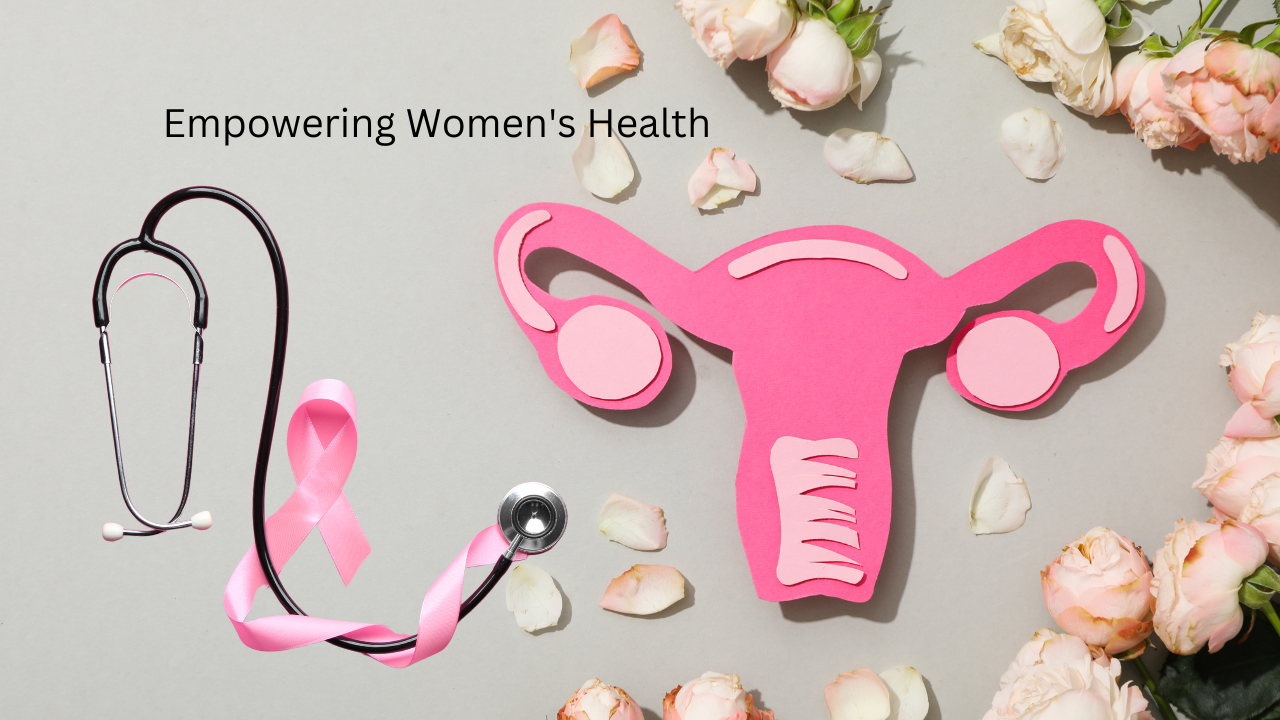
Women’s health is an integral part of overall well-being, encompassing various aspects such as reproductive health, breast health, menopause, and preventive screenings. Understanding and prioritizing women’s health needs is essential for leading a fulfilling and healthy life. In this blog post, we’ll delve into important topics related to women’s health, providing valuable information and tips for maintaining optimal health at every stage of life.
Reproductive Health:
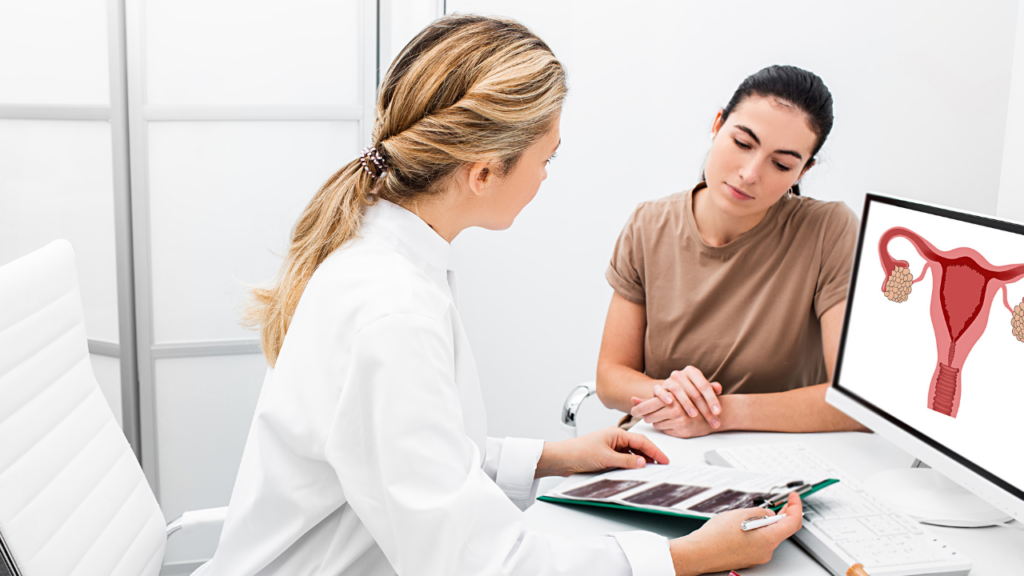
Reproductive health plays a crucial role in women’s overall health and wellness. It encompasses aspects such as menstrual health, fertility, contraception, and pregnancy care. It’s important for women to understand their menstrual cycle, track any irregularities, and seek medical attention if necessary. Additionally, discussing contraception options with healthcare providers can help women make informed choices about family planning and birth control methods. Regular gynecological check-ups are also vital for early detection and management of reproductive health issues.
Breast Health:
Breast health is another significant aspect of women’s well-being, as breast cancer is one of the most common cancers among women worldwide. Performing monthly breast self-exams and scheduling regular clinical breast exams and mammograms are essential for early detection of breast abnormalities. Women should be familiar with the signs and symptoms of breast cancer, such as lumps, changes in breast size or shape, and nipple discharge, and promptly report any concerns to their healthcare provider. Breast health education and awareness can empower women to take proactive steps in caring for their breasts.
Menopause:
Menopause is a natural transition that occurs in women usually between the ages of 45 and 55, marking the end of menstruation and fertility. It is accompanied by various physical and emotional changes, including hot flashes, night sweats, mood swings, and vaginal dryness. While menopause is a normal part of aging, its symptoms can significantly impact women’s quality of life. Managing menopausal symptoms may involve lifestyle changes, hormone replacement therapy, or other medications. Open communication with healthcare providers can help women navigate this transition and find effective treatment options tailored to their needs.
Preventive Screenings:
Preventive screenings are essential for detecting potential health issues early when they are most treatable. Women should undergo regular screenings for cervical cancer, including Pap smears and HPV tests, as well as screenings for sexually transmitted infections (STIs). Mammograms are recommended for breast cancer screening starting at age 40 or earlier for women at higher risk. Additionally, bone density screenings and cholesterol checks are important for assessing overall health and reducing the risk of osteoporosis and heart disease. By staying up-to-date with preventive screenings, women can take proactive steps to safeguard their health and well-being.
Finally, prioritizing women’s health is key to leading a vibrant and fulfilling life. By understanding and addressing the unique health needs of women, we can empower individuals to make informed decisions about their health and seek appropriate care when needed. Whether it’s reproductive health, breast health, menopause, or preventive screenings, investing in women’s health is an investment in overall well-being and longevity. Let’s continue to advocate for women’s health and support each other on the journey to optimal health and wellness.